
Waist Beads: History, Spirit, and Sacred Continuity in African & African American Culture
Waist beads are far more than adornment. Across Africa and throughout the African diaspora, they function as spiritual tools, cultural markers, and living vessels of ancestral veneration. Their history is deeply intertwined with ritual, identity, protection, and power.
This post explores the historical origins, spiritual and ritual significance, role in Hoodoo and African American culture, and traditional color meanings of waist beads—centering their sacred essence rather than reducing them to just merely a fashion trend.


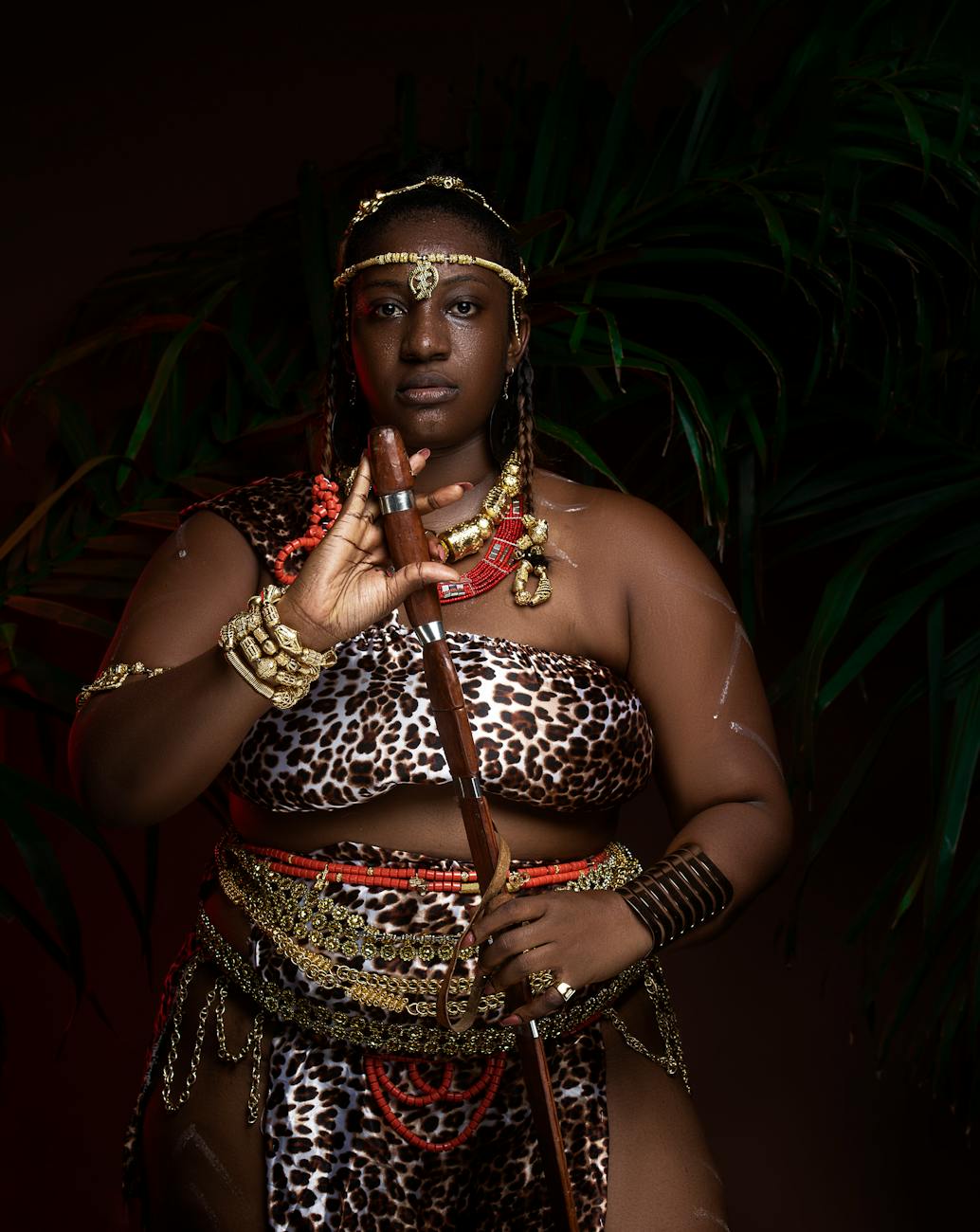


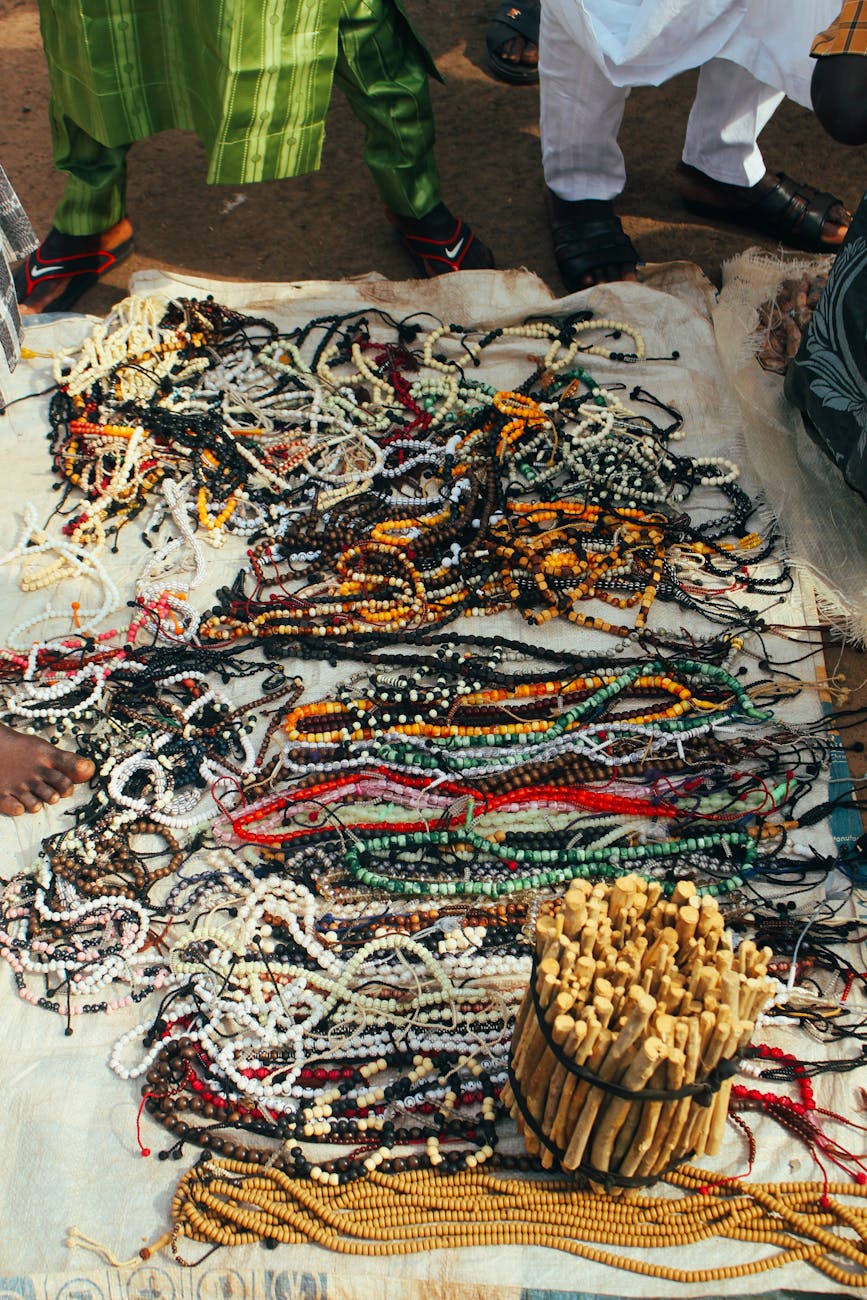

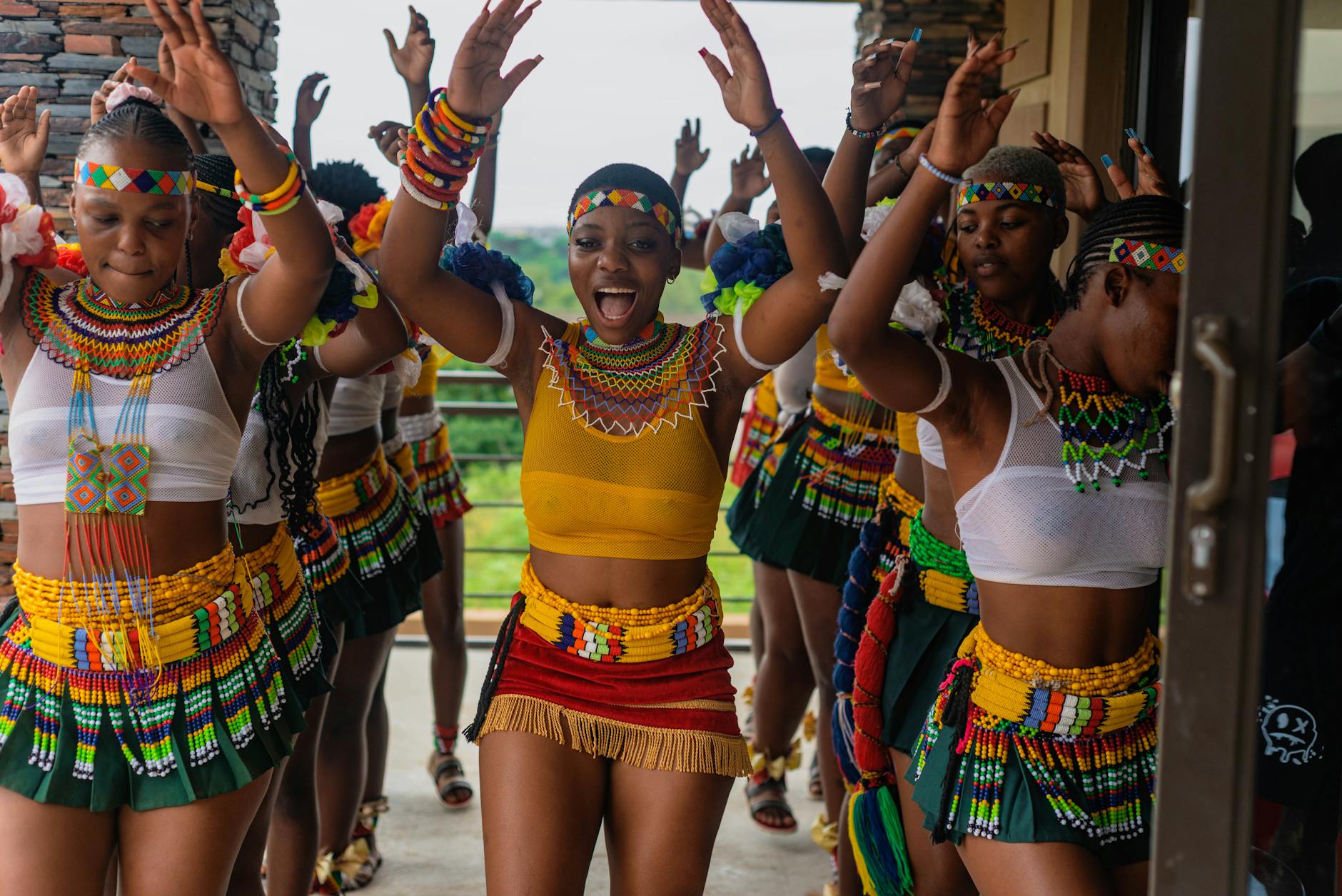

Origins of Waist Beads in African Culture
Waist beads have been worn for thousands of years across Africa, particularly in West, Central, and East African societies. Archaeological evidence suggests their presence as early as ancient Nile Valley civilizations, later spreading and evolving among various ethnic groups.
Traditionally, waist beads were crafted from:
- Glass beads
- Clay
- Bone
- Shells
- Seeds
- Metals
They were often handmade by elders, spiritual workers, or bead makers who understood the energetic properties of color, material, and intention.
Waist beads served as:
- Markers of life stages (birth, puberty, marriage, motherhood, elderhood)
- Indicators of social status or lineage
- Tools for spiritual protection
- Objects of ritual empowerment
Spiritual and Ritual Significance
Spiritually, waist beads operate as energy anchors, ornamented across the waist, as a powerful energetic center tied to:
- Creativity
- Sexual energy
- Life force
- Ancestral memory
- Manifestation
In many African traditions, waist beads are:
- Consecrated or prayed over
- Worn during rituals
- Used in fertility, protection, and grounding work
- Charged with herbs, oils, smoke, or intention
Some were meant to be worn permanently, others only during specific ceremonies or spiritual seasons. The breaking or removal of waist beads could signify transition, completion of a ritual cycle, or spiritual release.
Waist Beads in Hoodoo & African American Spiritual Practice
During enslavement, Africans carried their spiritual systems with them, often hidden, reshaped, and preserved under oppressive conditions. Waist beads survived this rupture, transforming within African American culture and Hoodoo traditions.
In African diaspora folk magick, waist beads have been used as:
- Protective charms against spiritual attack
- Containers for rootwork
- Body-based talismans for attraction, luck, or strength
- Links to ancestral connection
They were sometimes paired with:
- Roots
- Psalms
- Oils
- Personal prayers
- Graveyard dirt or spiritual baths
Because Hoodoo emphasizes practical spirituality, waist beads functioned as wearable magic: always present…always working…always one with the body.
Even when materials were scarce, evidence proves that African diasporic slaves recreated waist beads using thread, string, or repurposed beads, proving that the power was never in luxury but in intention and lineage.
Waist Beads in African American Culture Today
In contemporary African American culture, waist beads remain symbols of:
- Cultural memory
- Spiritual reclamation
- Embodied ancestry
- Personal sovereignty
For many African Americans today, wearing waist beads is an act of reconnection to traditions that were once suppressed, mocked, or erased. They represent continuity: a reminder that African spiritual technologies did not disappear…they adapted.
Traditional Waist Bead Color Meanings
Colors in waist beads are never arbitrary. Below are commonly recognized meanings across African and diasporic traditions (meanings may vary slightly by region and lineage):
🔴 Red
- Life force
- Blood, vitality
- Protection
- Power
- Sexual energy
- Spiritual strength
⚪ White
- Purity
- Ancestral connection
- Peace
- Spiritual clarity
- Protection
- Truth
⚫ Black
- Protection
- Mystery
- Absorption of negativity
- Ancestral wisdom
- Strength
🟡 Yellow / Gold
- Wealth
- Abundance
- Joy
- Solar energy
- Divine favor
🟢 Green
- Growth
- Fertility
- Healing
- Earth energy
- Prosperity
🔵 Blue
- Calm
- Emotional balance
- Communication
- Spiritual protection
- Water energy
🟣 Purple
- Spiritual authority
- Royalty
- Intuition
- Psychic power
- Divine connection
🟠 Orange
- Creativity
- Attraction
- Confidence
- Vitality
🟤 Brown
- Grounding
- Stability
- Connection to land and ancestors
⚪⚫ White & Black (Combination)
- Balance between spiritual and physical worlds
- Protection with clarity
- Ancestral harmony
🔴⚫ Red & Black
- Strong protection
- Power and resilience
- Spiritual defense
🟡🟢 Gold & Green
- Abundance rooted in growth
- Prosperity through effort
Waist Beads as Living Tradition
Waist beads are not relics of the past. They are living spiritual tools, continuously evolving while remaining deeply rooted in African cosmology and African American spiritual survival.
They remind us that the body itself is sacred and that ancestral knowledge does not vanish when oppressed. It waits. It adapts. It returns.
Adorn Yourself.
References & Further Reading
(Black authors only)
- Asante, Molefi Kete. The Cultural Unity of Black Africa. Africa World Press.
- Ben-Jochannan, Yosef A. A. African Origins of the Major Western Religions. Black Classic Press.
- Brown, Ras Michael. African-Atlantic Cultures and the South Carolina Lowcountry. Cambridge University Press.
- Hurston, Zora Neale. Mules and Men. Harper Perennial.
- Karenga, Maulana. Introduction to Black Studies. University of Sankore Press.
- Mbiti, John S. African Religions and Philosophy. Heinemann.
- Stuckey, Sterling. Slave Culture: Nationalist Theory and the Foundations of Black America. Oxford University Press.
- Thompson, Robert Farris. Flash of the Spirit: African and Afro-American Art and Philosophy. Vintage Books.
- Washington, Yvonne P. African American Roots, Rituals, and Spirituality. University Press of America.
- Oral histories, spiritual lineages, and cultural knowledge preserved through African American Hoodoo, rootwork, and ancestral practices.
Here are some affirmations and corresponding mantras for the Divine Feminine and the Dark Feminine:
🌸 Affirmation for the Divine Feminine
“I call forth the divine feminine within me—
the creator, the nurturer, the life-giver, the vessel of wisdom.
As I wear these waist beads, I align with grace, intuition, and ancestral remembrance.
I move in harmony with my cycles, my power, and my sacred knowing.
I am divine. I am guided. I am in communion with my highest feminine self.”
🌸 Divine Feminine Mantra
“I embody divine feminine wisdom.
I move in grace, power, and alignment.”
🌑 Affirmation for the Dark Feminine
“I awaken the dark feminine within me—
the protector, the boundary keeper, the untamed truth.
As these waist beads embrace my body, they hold my power, my rage, my desire, and my depth without apology.
I reclaim what was hidden, silenced, or feared.
I am sovereign. I am dangerous in my knowing. I am whole in my shadow and my light.”
🌑 Dark Feminine Mantra
“I claim my shadow and my strength.
I am sovereign.
I am untamed.”
 A Blakward Perspective...